International comparison
Life sciences infrastructure around a research base
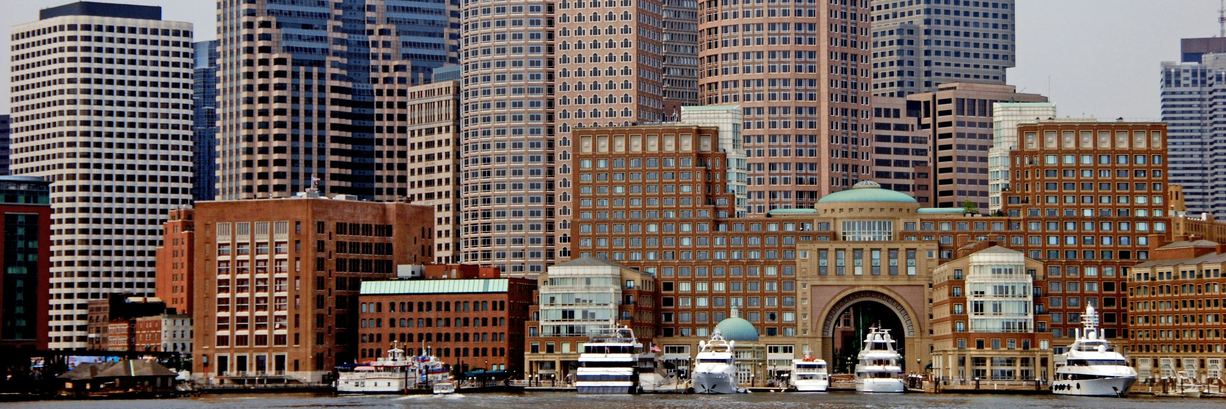
One district, one sector, fifteen years of funding
Boston
Early biotech firms need highly specialist space, but wet labs, clean rooms and GMP manufacturing space cost a lot to build and to run, which can push rents above what a firm with little to no revenue can pay. The Massachusetts Life Sciences Initiative was set up to fill this type of gap, committing $1 billion over ten years in 2008, adding more than $600 million in 2018 and a further $1 billion in 2024, reaching around $2.6 billion over fifteen years. The funding was directed at facilities that start-ups could not finance themselves and was concentrated on life sciences.
Hospitals, pharmaceutical firms and clinical research infrastructure already sat in the same space as Boston's universities and investors, so a company could run a trial and deal directly with providers without leaving the district. That short distance between discovery and adoption is what gave investors the confidence to back firms earlier and helped make Boston the world's leading biotech cluster.